Chapter 2: Finding Rita
The manuscript Marta had found was in remarkable condition, given its age. Slightly faded, certainly, but remarkably well kept. An incredible relic from a long-forgotten era. And there, in the middle of our near-perfectly-kept front page, the author's name. Rita Rey.
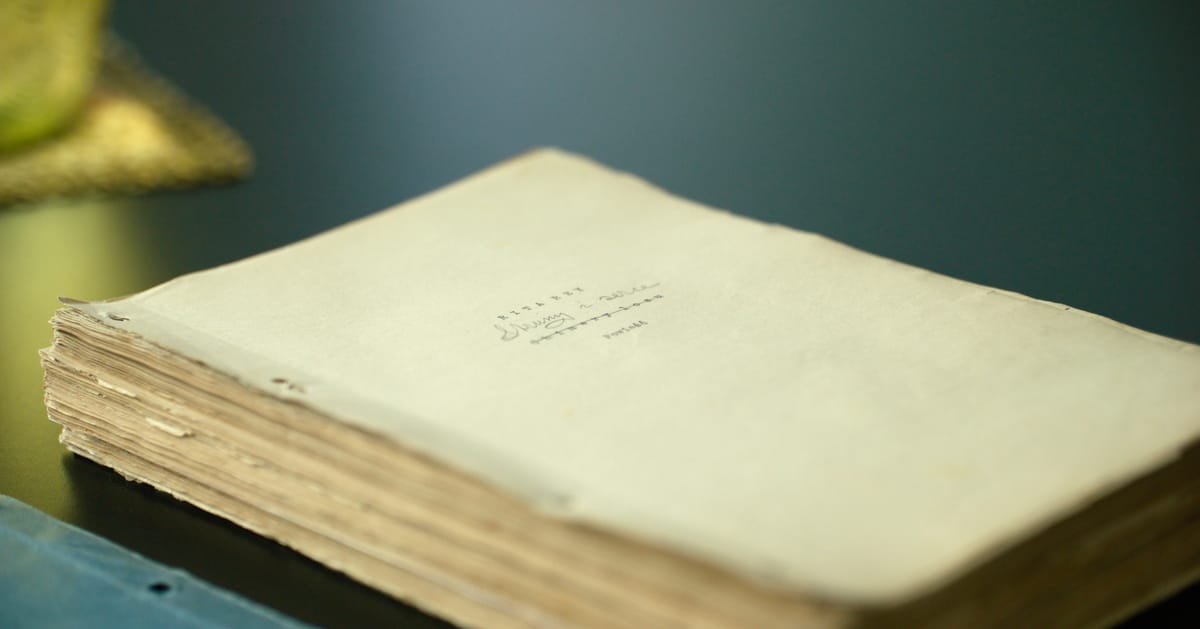
The manuscript Marta had found was in remarkable condition, given its age. Slightly faded, certainly, but remarkably well kept. An incredible relic from a long-forgotten era.
And there, in the middle of our near-perfectly-kept front page, the author's name. Rita Rey.
In a story that was from the outset a spider's web of mysteries, this then, was the easy part. Name. Solved.
Or was it?
Had Marta's google search for Rita that very first day returned a trove of articles, references, and biographies, there's every chance we may not be here today. Or, at the very least, our story may have been shorter. Less dramatic. Quicker to tie-up in a beautiful bow.
The fact you're here reading though should tell you everything.
Those first searches? Almost nothing.
Maybe I'm incredibly naive. In fact, this is a certainty. As one of the last generation to start childhood without the internet, but then see it explode into our world in the mid 90s, I've been conditioned to believe that almost everything that ever happened in human history is documented there.
I should correct myself. I'm not THAT naive. I understand it is still a highly limited collection of notes, thoughts, ideas, studies, and references. But, I live in the belief that an author of just about anything would, most likely, be documented somewhere.
It felt impossible to believe that a published author would not be referenced in some far corner of the internet.
But then again, who ever said Rita was a published author?
Or that in fact Rita was even her real name.
Spoiler-alert... it wasn't.
I spoke to Marta for the first time just a few days after her LinkedIn post. I'd messaged her as soon as I saw her post. I laid out — loosely — my excitement. But with much that I knew needed explaining in person. I didn't know how to pitch something so outrageous.
Professionally, I knew Marta to be a talented operator in corporate settings. But to my knowledge, she had no experience in filmmaking. The pitch I was about to make, that we should pursue this discovery as a documentary, seemed absurd. My ambition, to tell this incredible story on screen, would almost certainly require months if not years of work. It had the potential to become a burden to all of those involved.
That first video call was a frenzy of big-dream-pitching, a million questions, and excited posturing.
We wondered about the manuscript. Who was it that had owned it? How and why did it come to be discarded in a dusty basement? Was that person related to the author?
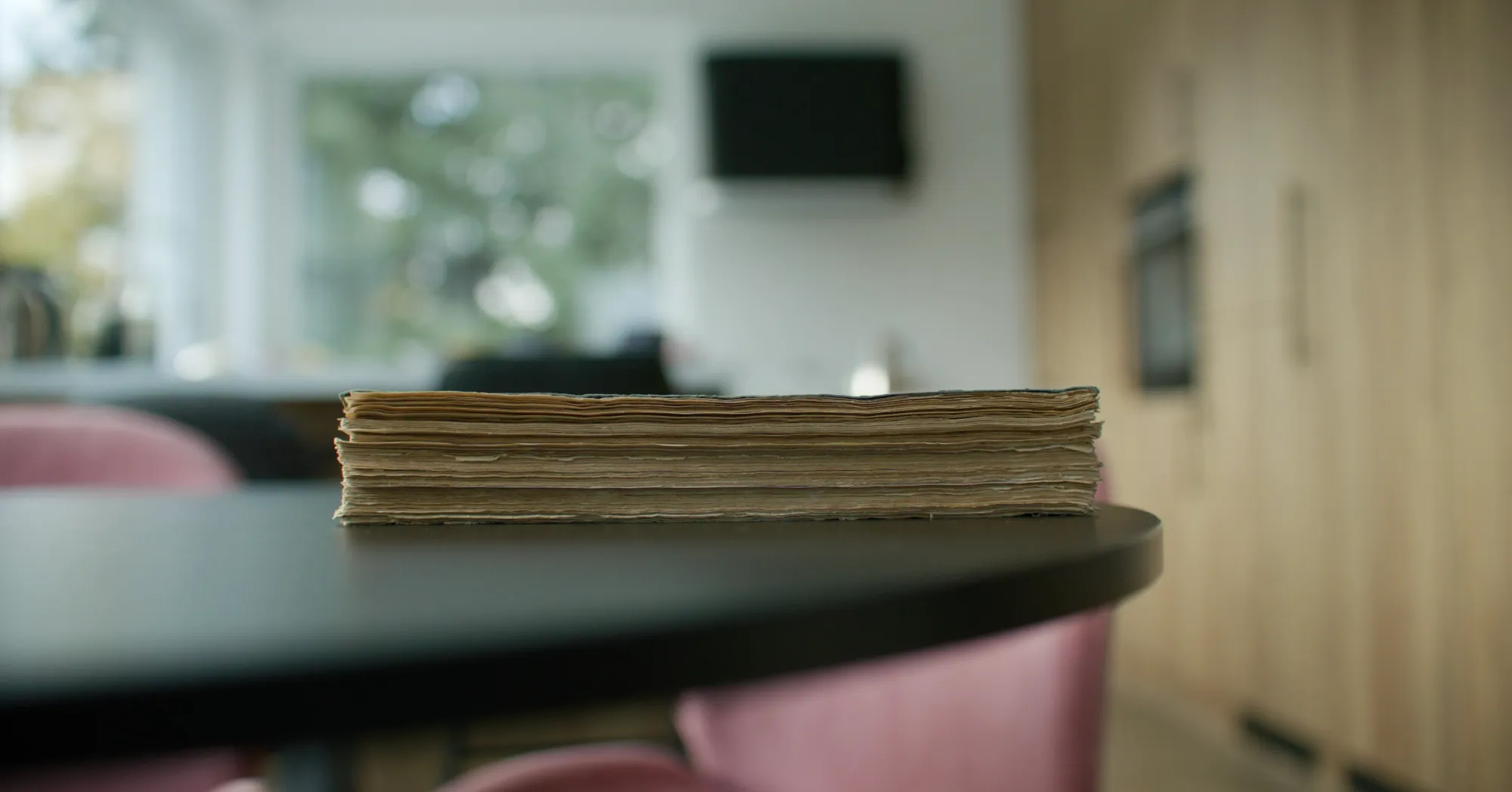
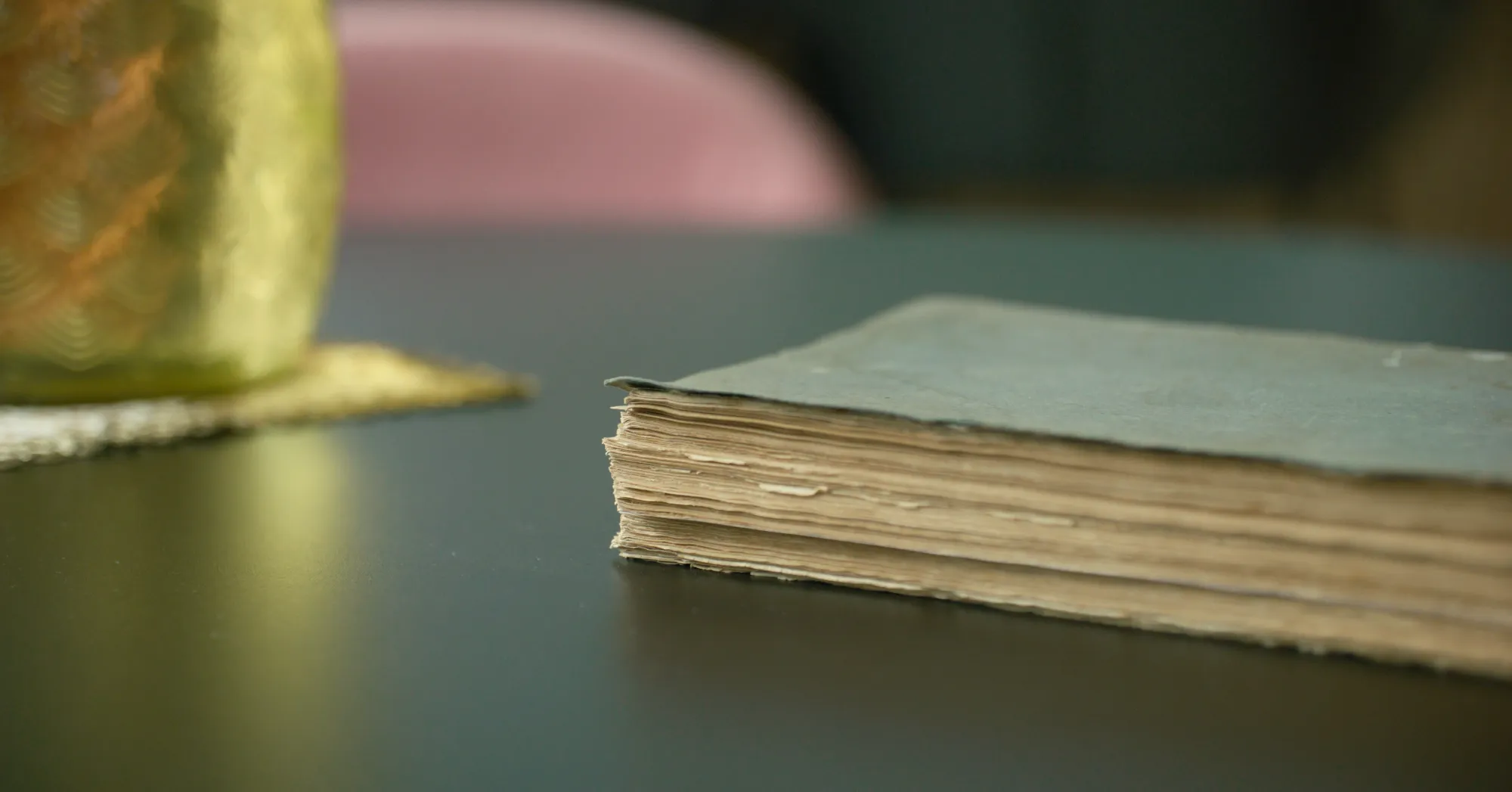
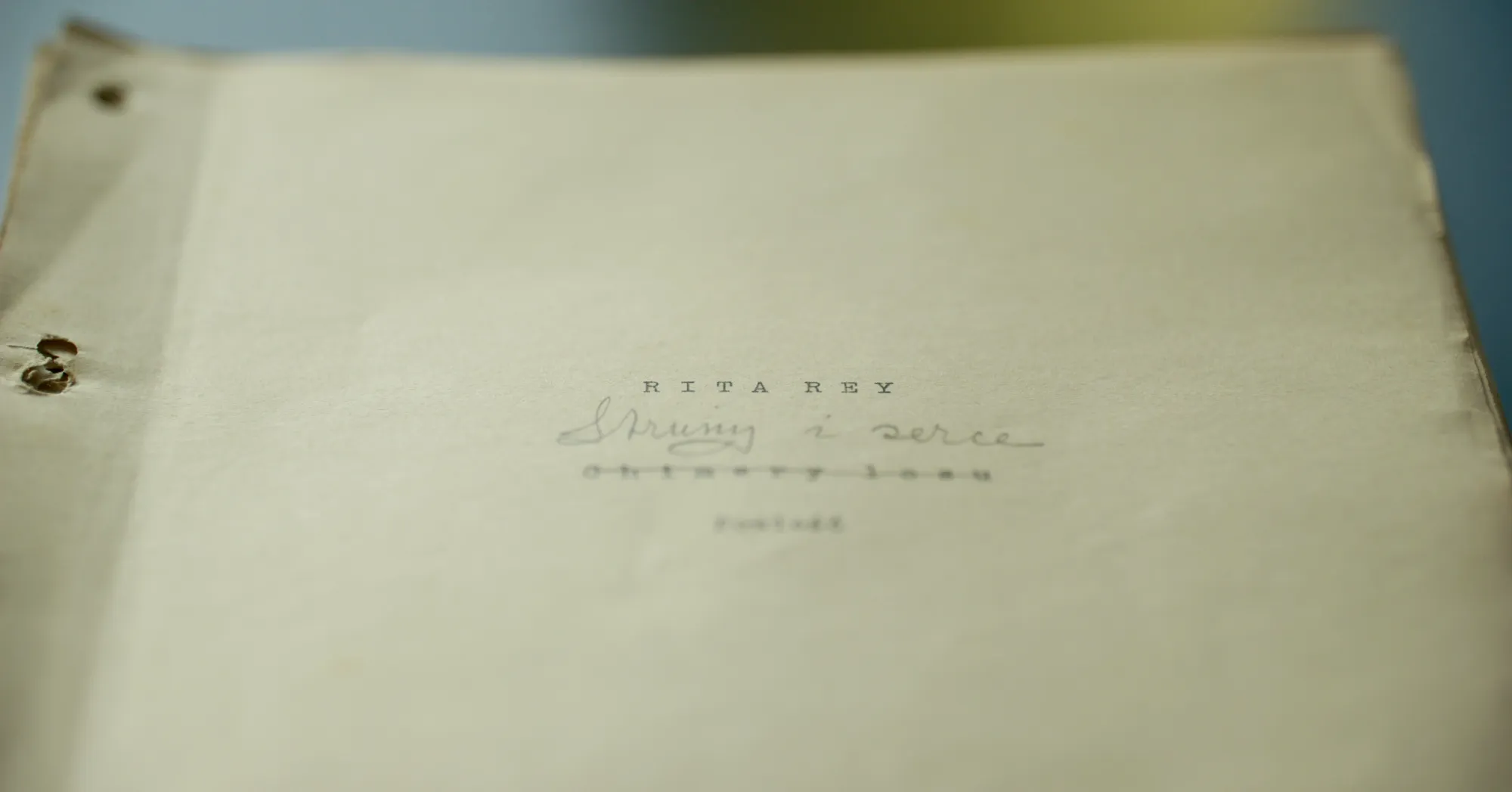
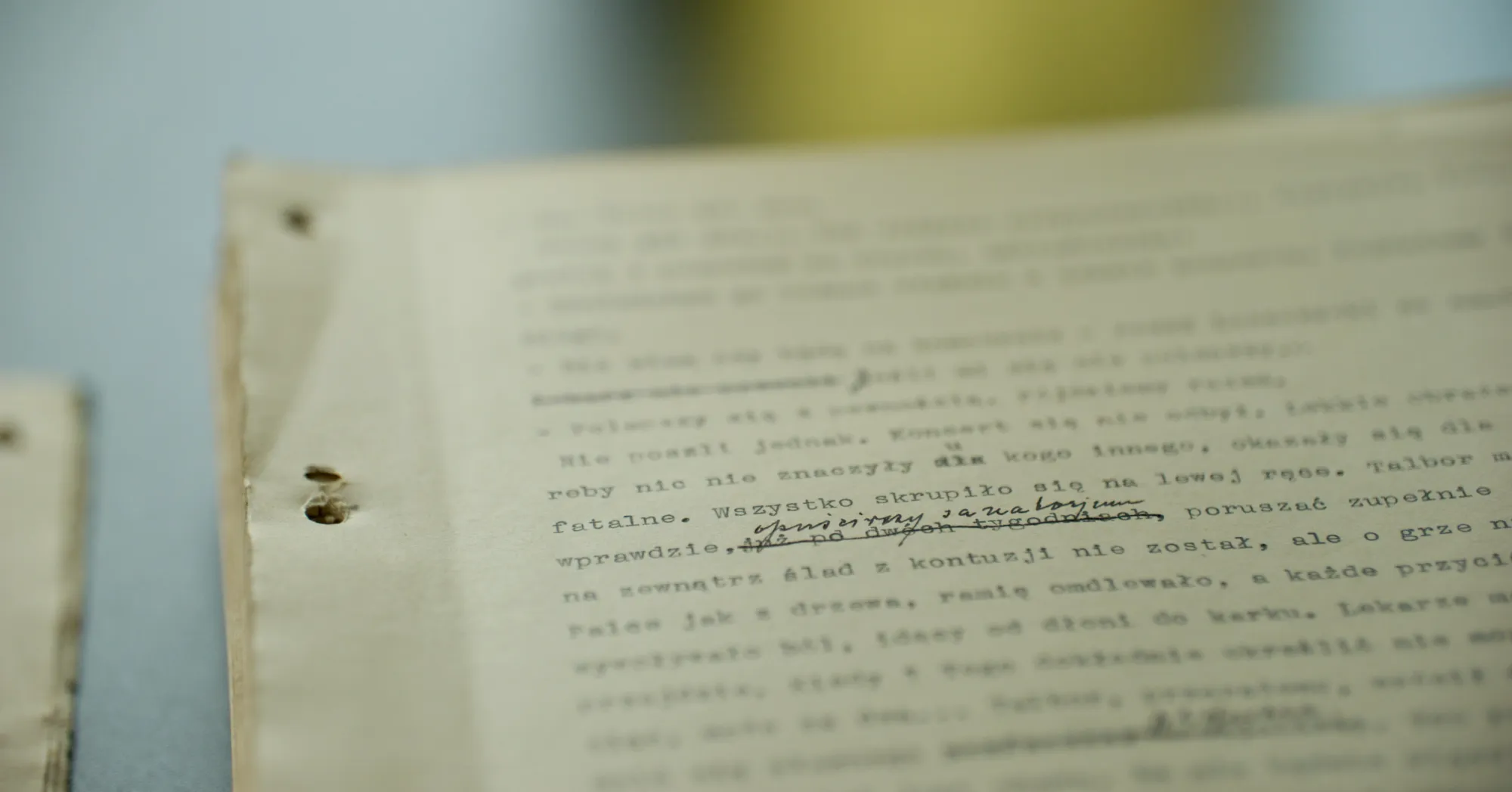
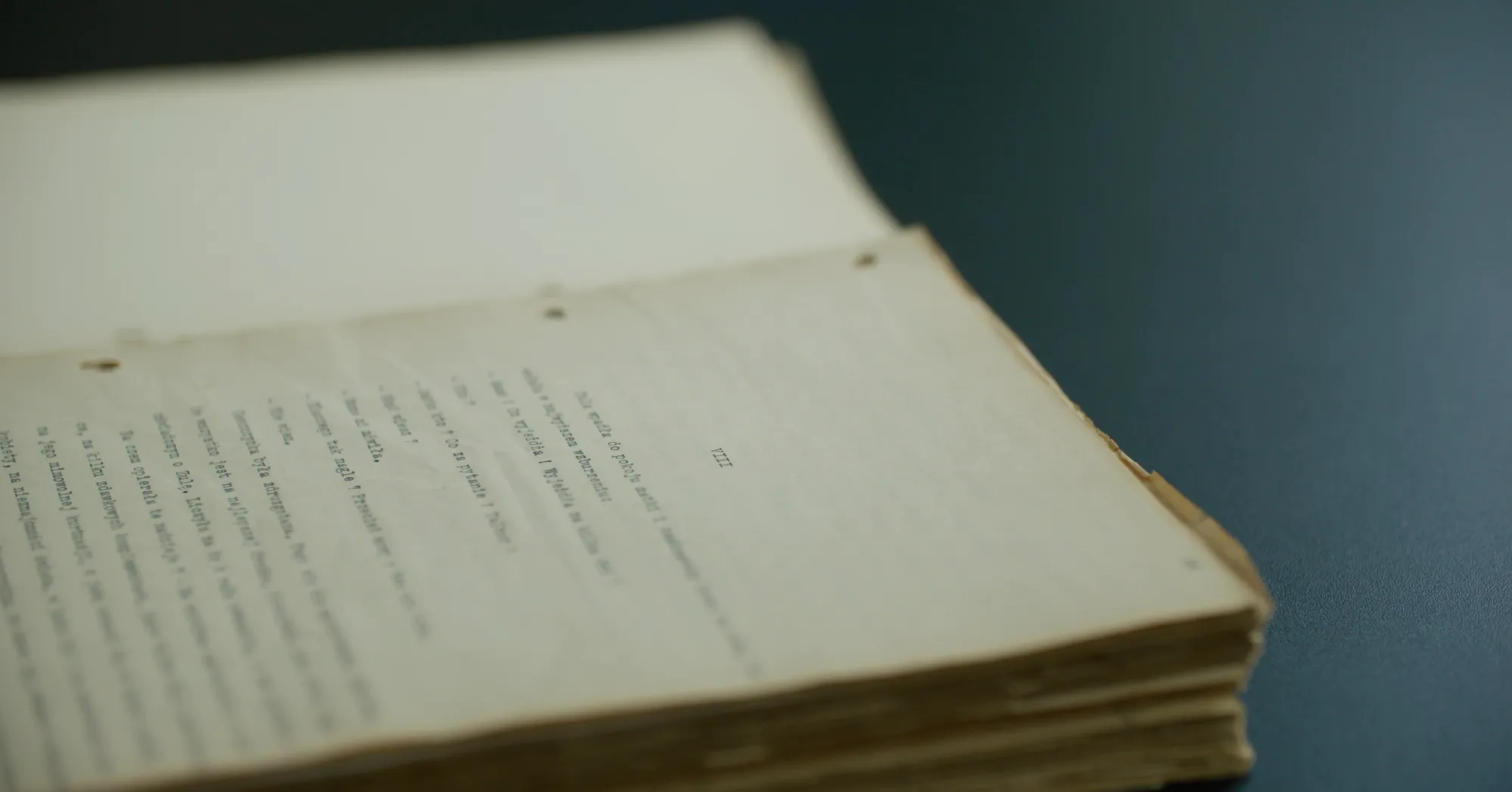
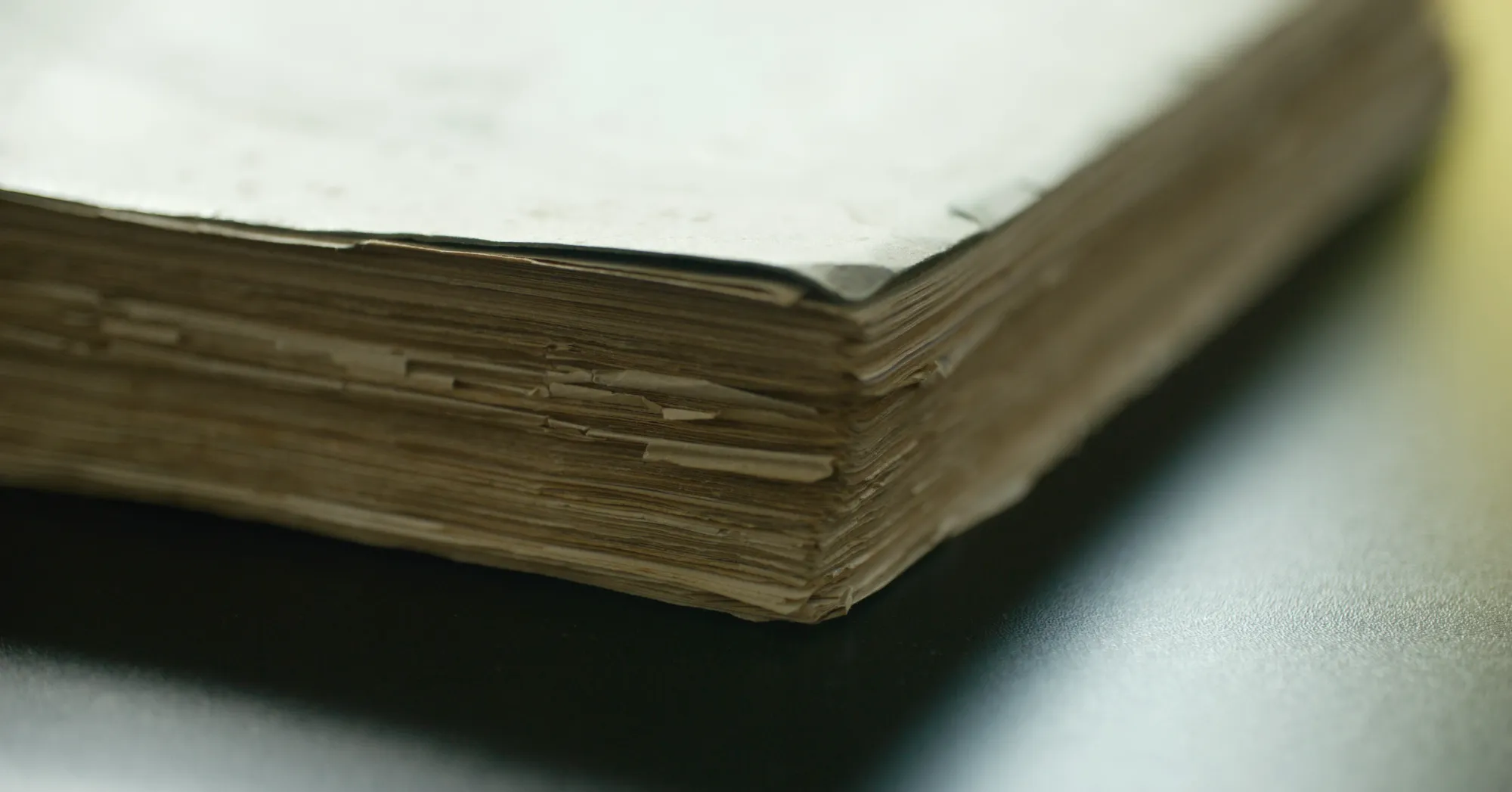
The manuscript — beautifully preserved for over 80 years.
So many mysteries to be explored. Questions to answer. An irrational sense of protectiveness. Over the manuscript, but also over Rita's story. At least until we knew a little more about her and her novel.
Marta had begun digging, and I was desperate to hear everything. What had she learned already?
In truth, and not for the want of trying, the answer was — almost nothing.
"As far as I can tell, Rita Rey was the pen-name of Baroness Sofia Schenk, and her novel must have been written sometime in the 1920s or early 1930s."
Marta discovered early that Rita Rey was — as far as we could see — not a widely recognised or celebrated author. For a time we of course wondered if the book had been published at some point. Was this in fact an early manuscript of a novel that would later find its way onto bookshelves?
To this day, nothing we have found shows that to be true. We must therefore conclude that Rita's manuscript is an unpublished novel.
There was also no particular evidence of any other novels bearing Rita's name.
As a writer of fiction, she simply didn't exist.
In today's world, I find myself convinced that anybody who published a novel would return dozens of search results online just for the mere fact that they had written. Maybe it shouldn't be a complete surprise that the author of this potentially 100 year old novel would prove elusive to pinpoint.
Even so, I can rarely think of a time in my life I've searched for anything online and found such few results.
It became evident very quickly that this then would become a search of the old-fashioned kind. Through archives. Trawling through records, scans, collections in museums and institutes. And Google would not be our immediate saviour.
And yet... Marta was making progress.
Crumbs of evidence suggesting that Rita, whilst not a known novelist, WAS a recognised writer in other forms.
A correspondent journalist. A writer whose prose filled the pages of Polish war-time magazines, journals, and more. Snippets of life in Poland in the 20s. And something of a socialite to boot.
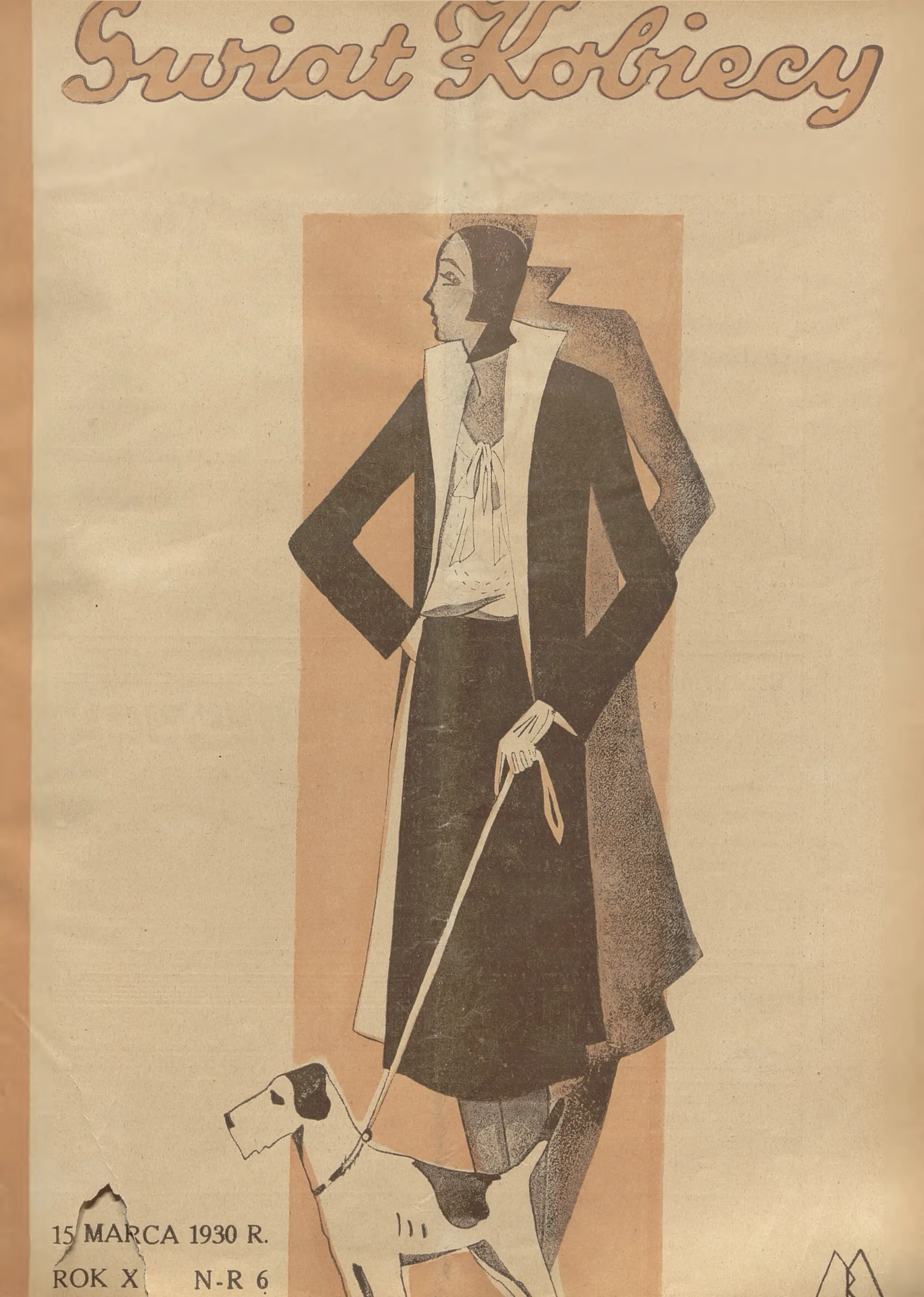
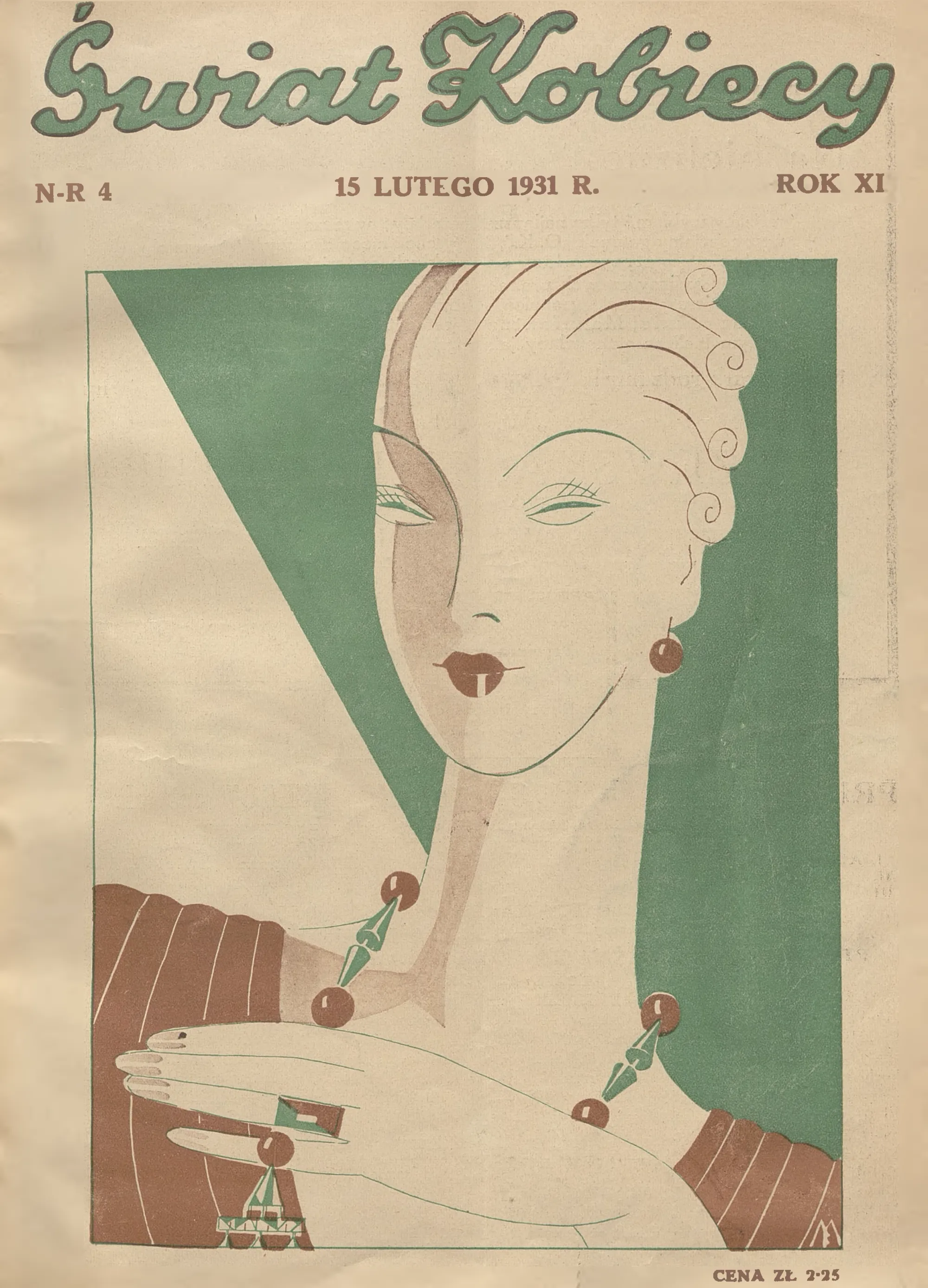
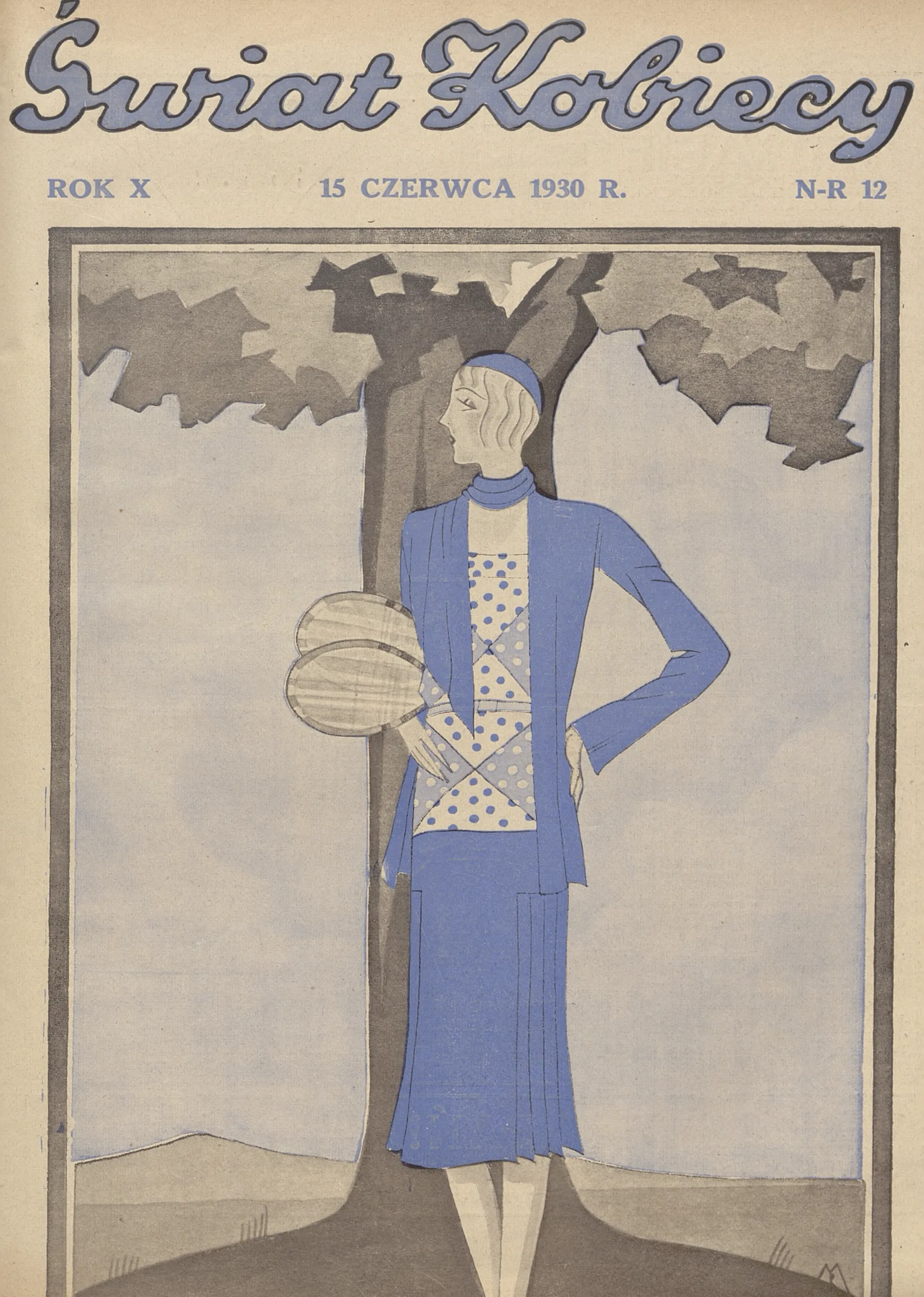
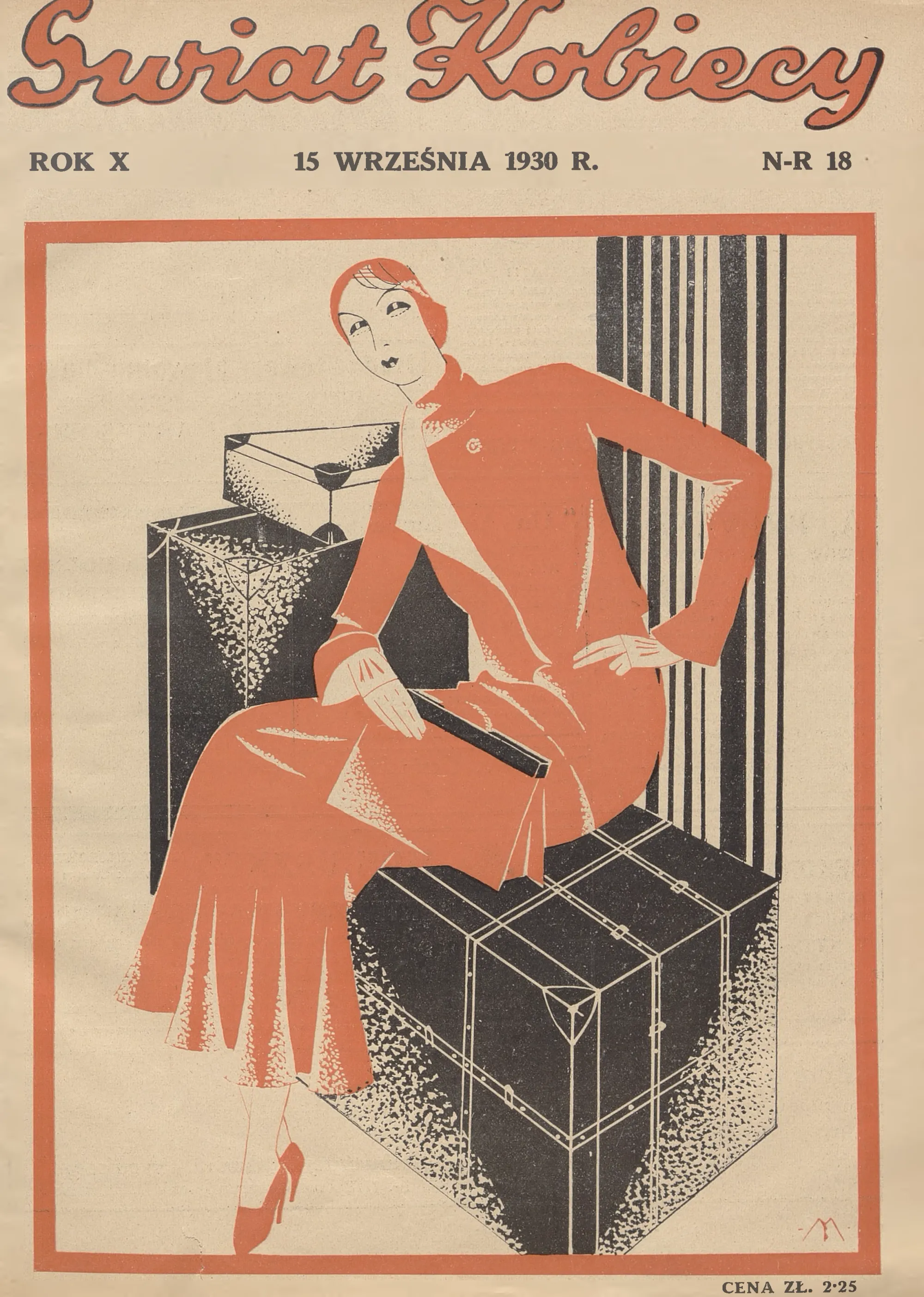
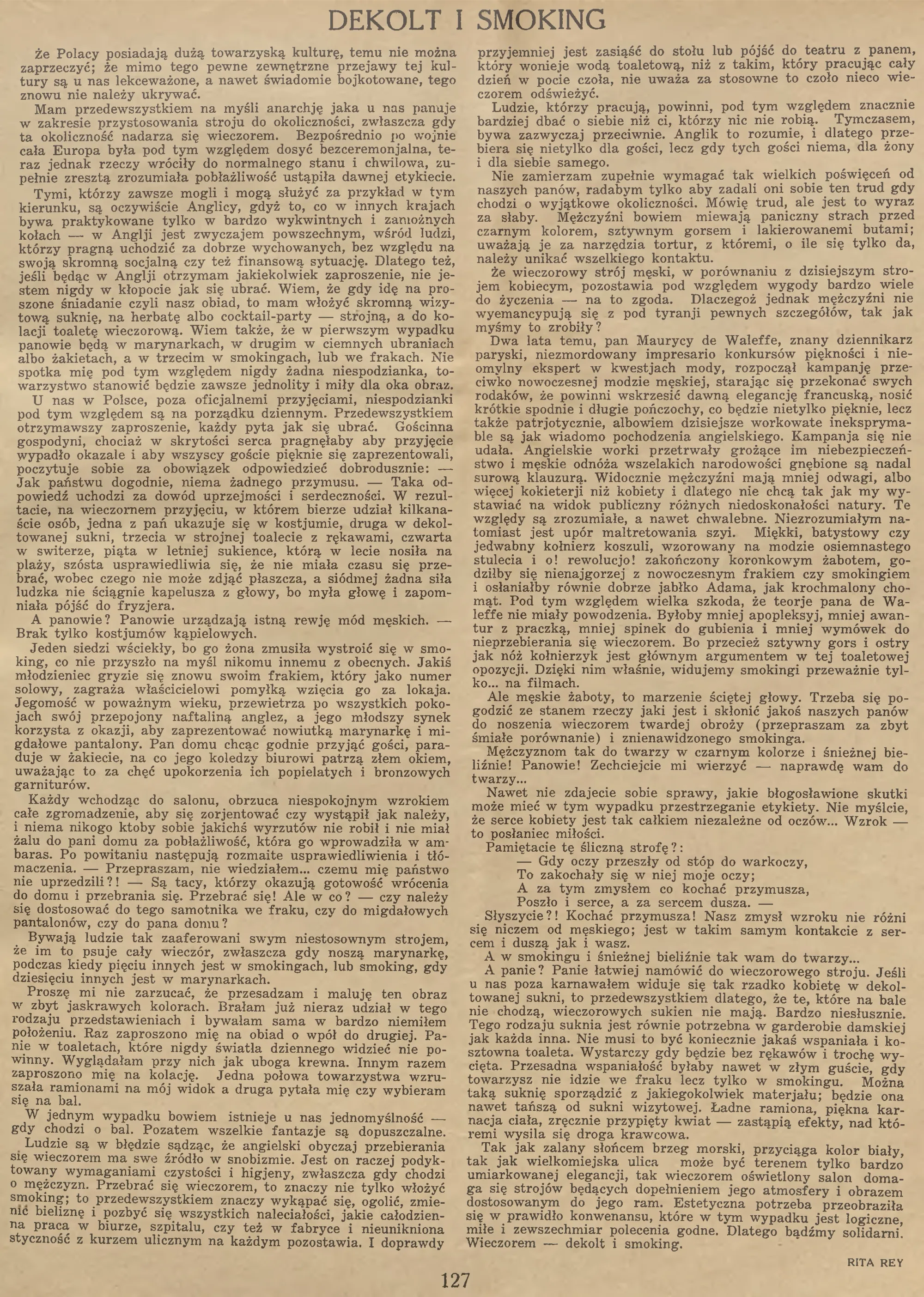
A selection of covers of the journal for which Rita wrote — including her article Dekolt I Smoking
By the minute, Rita Rey was becoming more real to us both. She was then, by no means a hobbyist novelist. But a professional writer.
I stand corrected too. Or at least, to I should update a statement I made. It's entirely true that we found no evidence of Rita Rey as a published novelist. But an early discovery DID show a body of her work had been published in book form. A collection of her essays from 1933. Tu I Tam.
Sharp, stylish essays on love, fashion, and the modern woman—Rita Rey’s writing blends humor with keen observation.
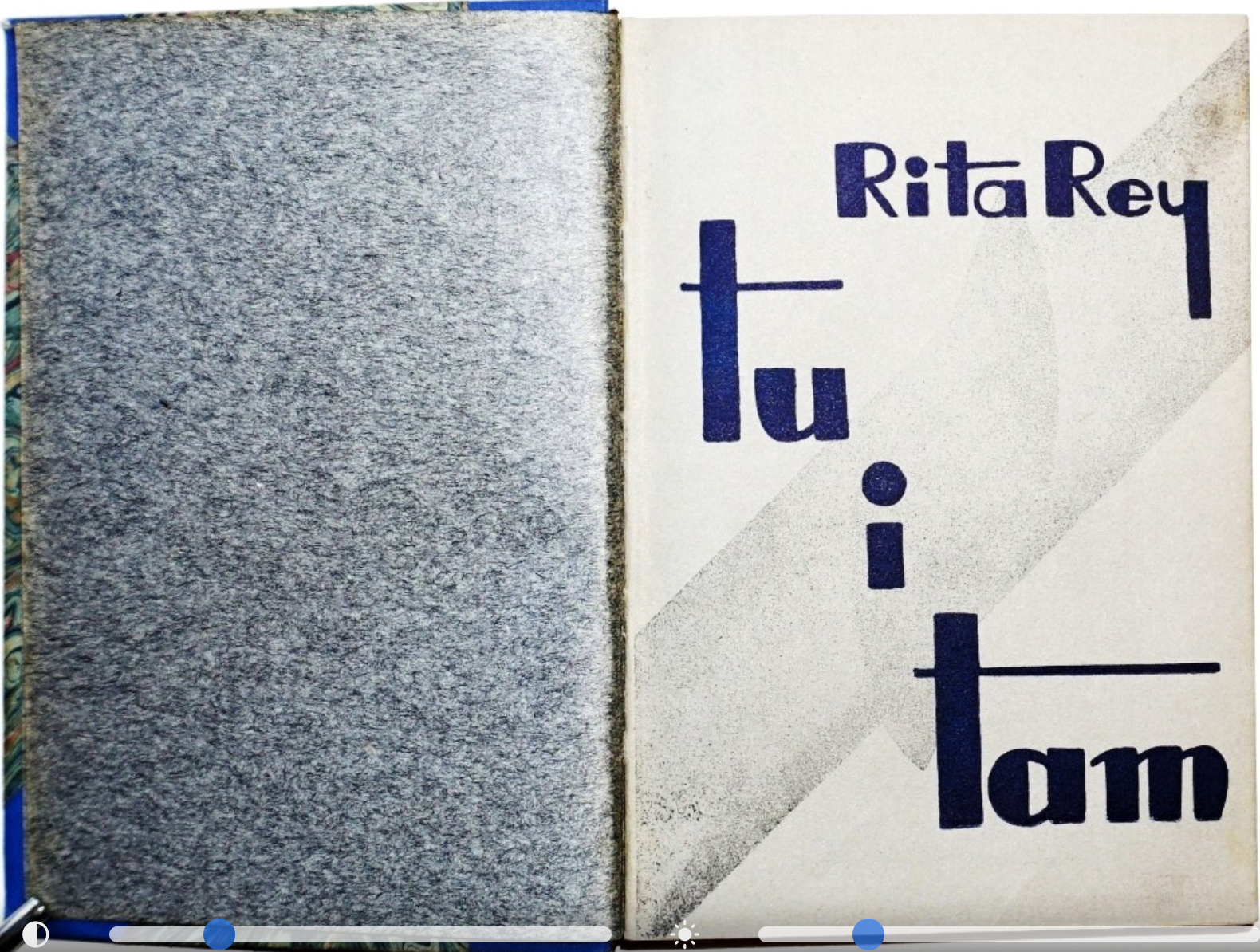
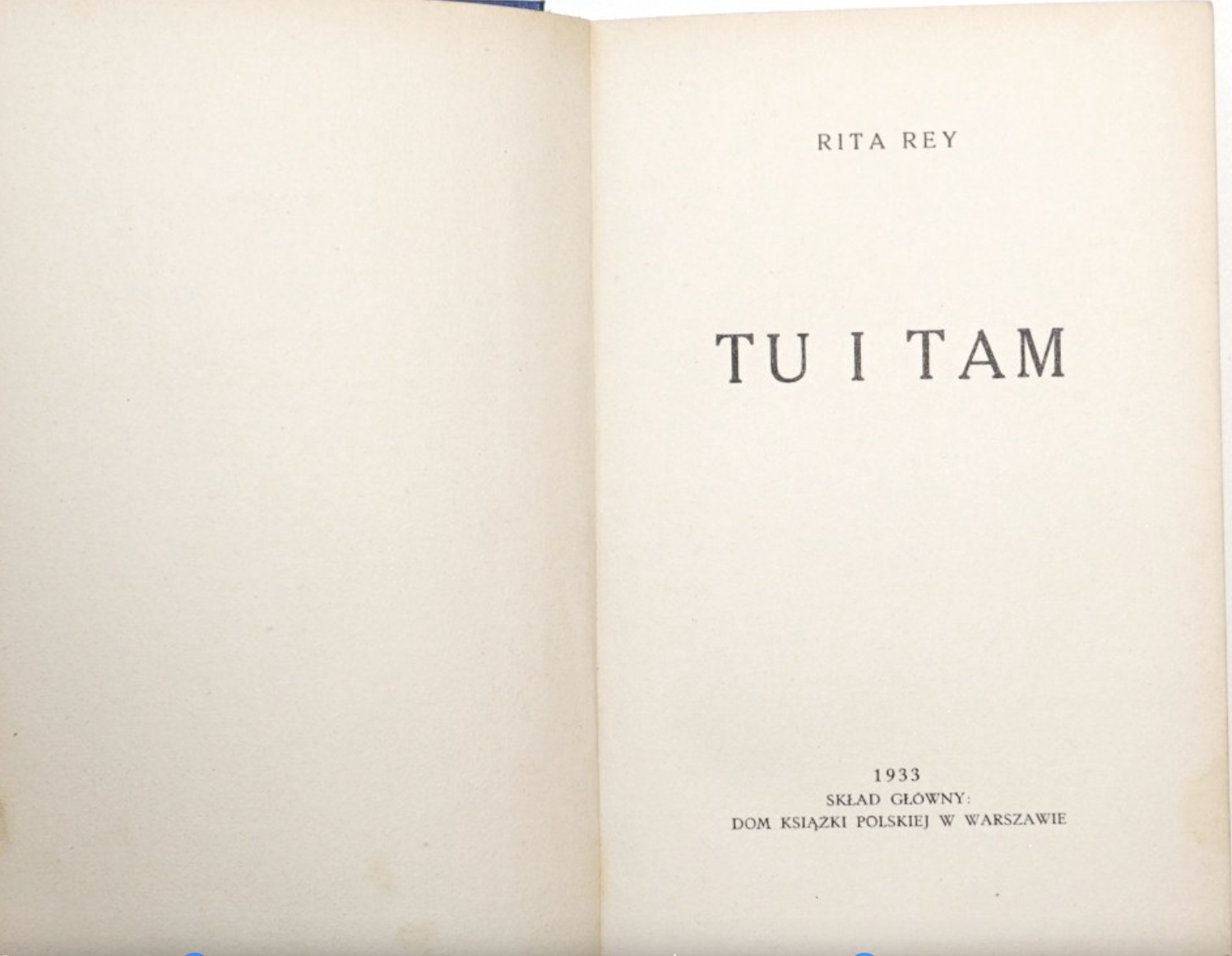
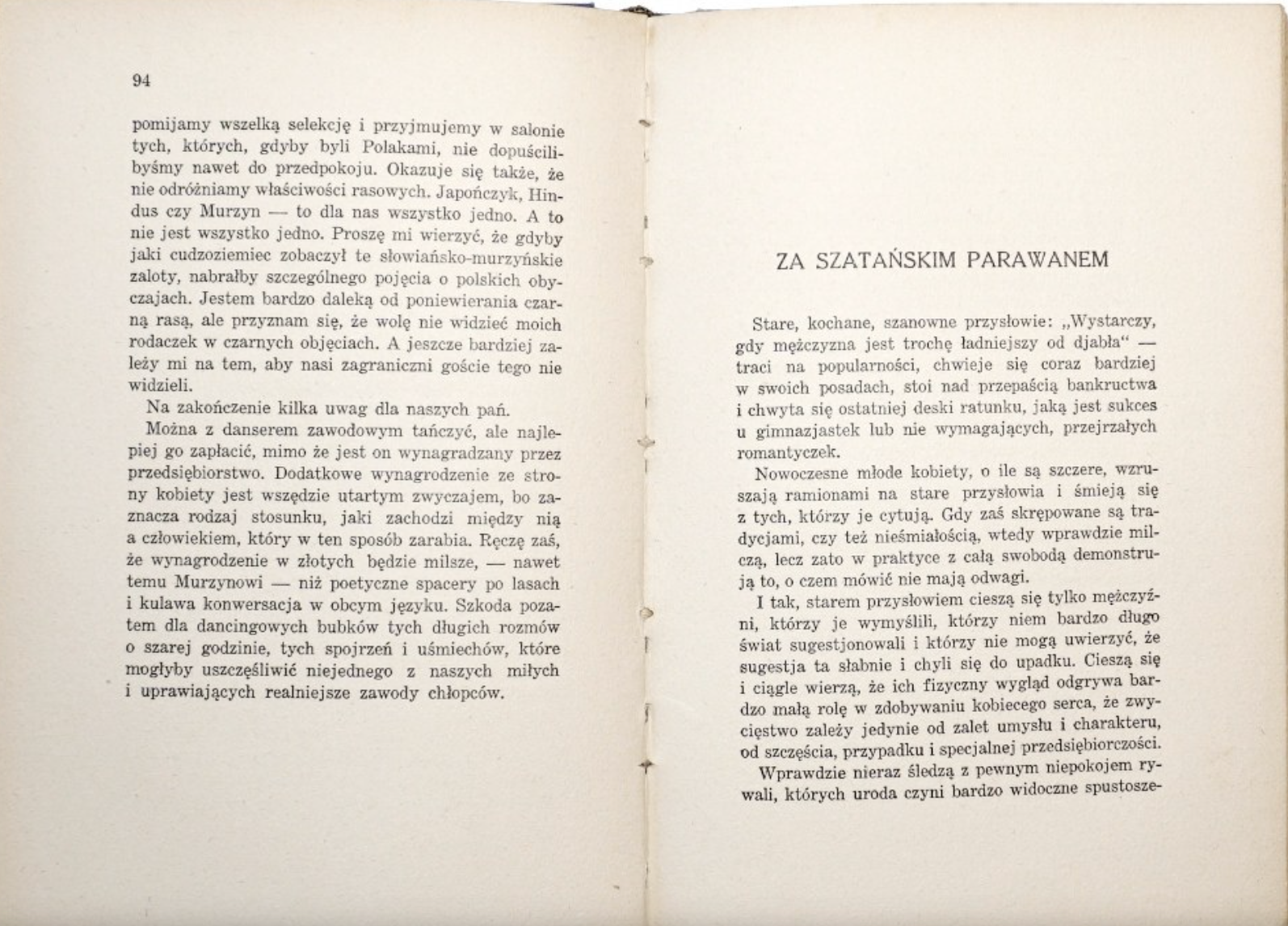
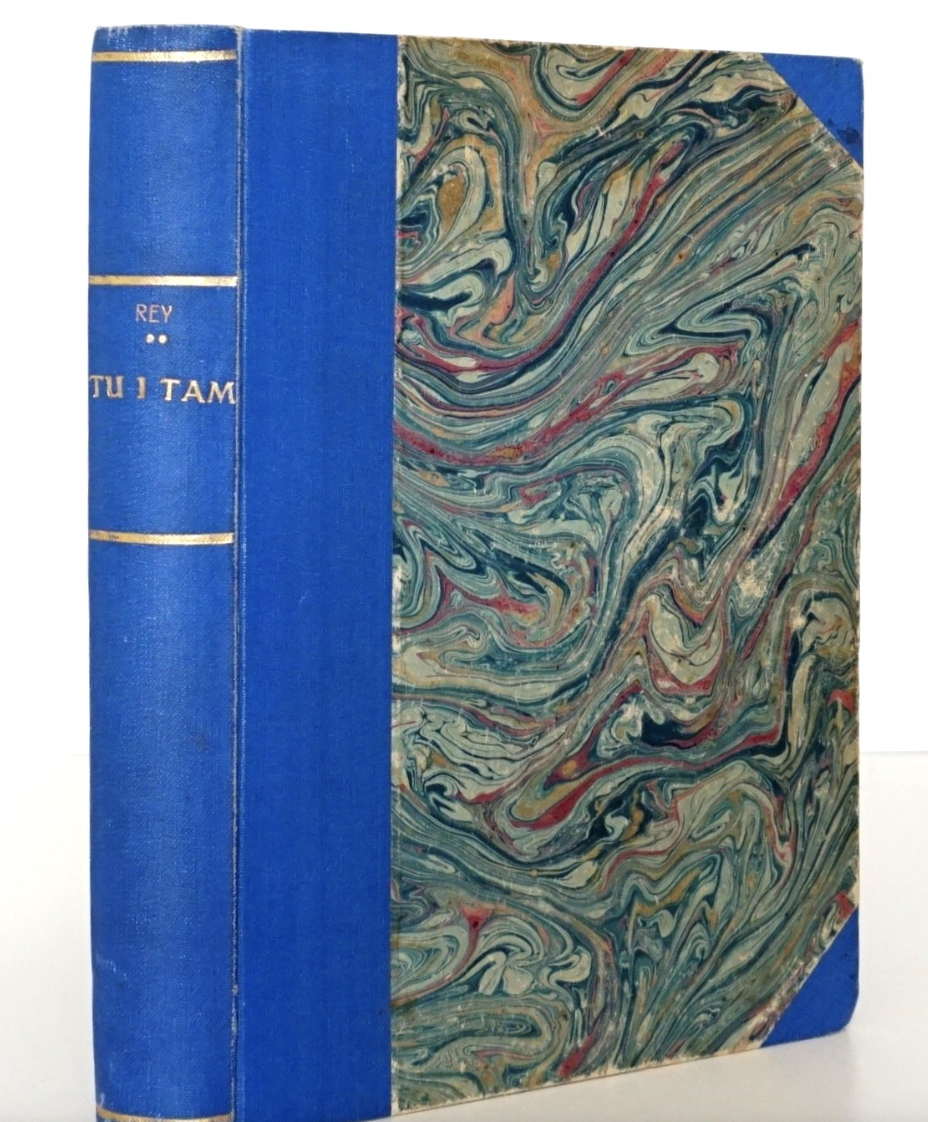
Rita's book, Tu I Tam. A collection of her essays from 1933.
I probably should correct the bit about no search results too.
Again, largely true. Very limited results. But, poke around long enough, dig deep enough into archives, and indeed tiny hints of Rita's work began to show themselves.
We'd quickly gone from... nothing, to something.
And then, finally, a first breath-taking moment of awe.
There was much of Rita's life to unpick. Professionally and personally. And our big questions about her life, her work, and about a family tree we might be able to trace through to today, all still completely in shade.
But, for all our wondering about her, there was wondering no more needed to answer a simple, fascinating question.
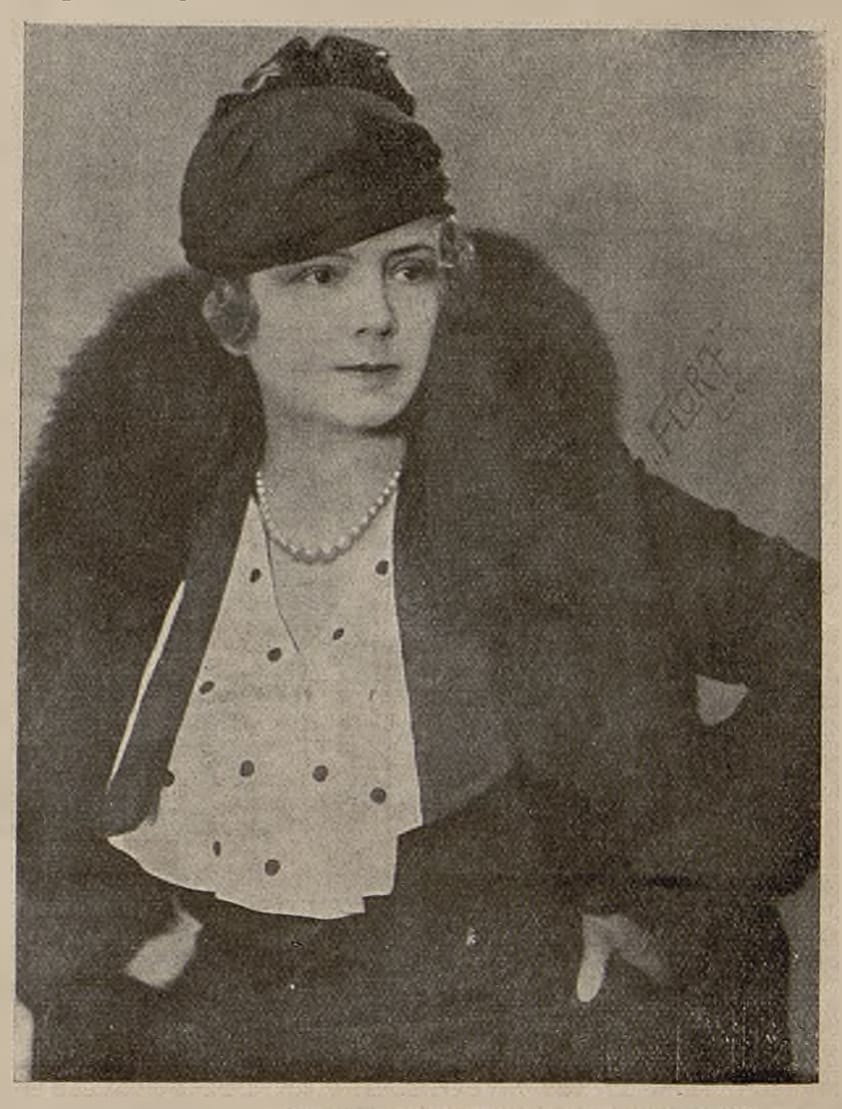
We wondered what Rita looked like.
And now, we knew.
Comments ()